Hidden in Plain Sight: Why the Cats Most Ready for a Home Keep Getting Left Behind
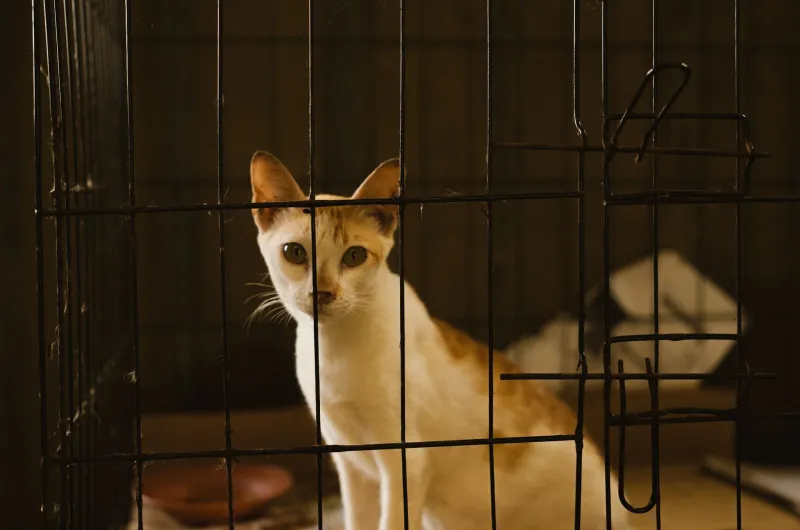
Walk through any California shelter on a Saturday afternoon and you'll see the same scene play out: families cluster around the kittens, phones out, cooing over the tiny ones tumbling over each other. A few cages down, a three-year-old brown tabby sits quietly, watching. He's been there six weeks. He's fully vaccinated, litter-trained, gets along with other cats, and has never once bitten anyone. He's also been overlooked by forty-seven different families.
This isn't a fluke. It's a pattern — and researchers who study animal adoption behavior have a name for it: the adoptability paradox. The cats who are most genuinely prepared for life in a home are frequently the last ones chosen, while the animals who generate the most excitement in a shelter setting are sometimes the hardest to live with long-term. Understanding why that happens — and what California shelters are doing to fix it — starts with taking a hard look at how humans actually make adoption decisions.
The First Five Seconds Problem
Here's an uncomfortable truth: most adoption decisions happen before a single word is exchanged with shelter staff. Studies on consumer decision-making — yes, the same research used to understand how we pick cereal at the grocery store — have been applied to shelter adoption contexts, and the results are pretty humbling. People make snap judgments based on visual cues, movement, and perceived energy level, often within seconds of approaching a cage.
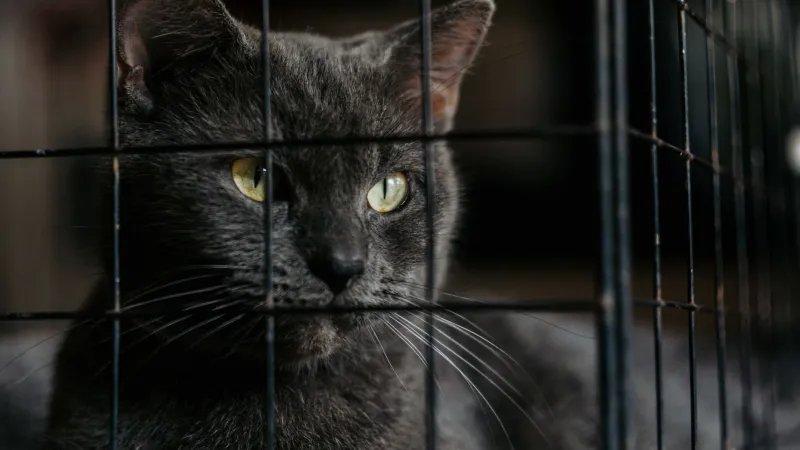
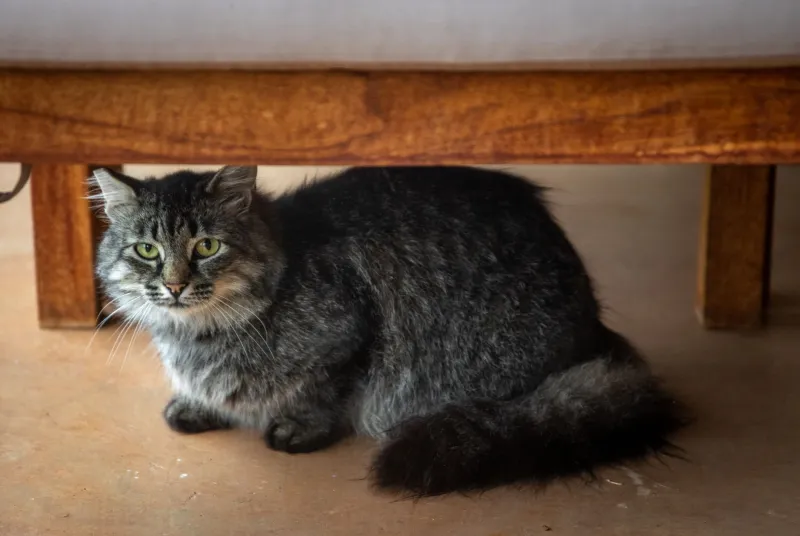
Cats who press against the front of their enclosure, meow loudly, or bat at fingers get noticed. Cats who sit still, observe quietly, or retreat to the back of their kennel get passed over — even when their behavioral profile is objectively more suited to most households.
The problem is that shelter environments are profoundly unnatural. A cat who seems reserved or withdrawn in a loud, fluorescent-lit room full of strangers and strange smells isn't necessarily shy or antisocial. They may simply be doing exactly what a sensible cat does in a stressful situation: keeping a low profile and waiting it out. That same cat, placed in a quiet living room with a patient adopter, might turn into the most affectionate animal in the house within 48 hours.
Cage Placement Isn't Random — But the Consequences Are
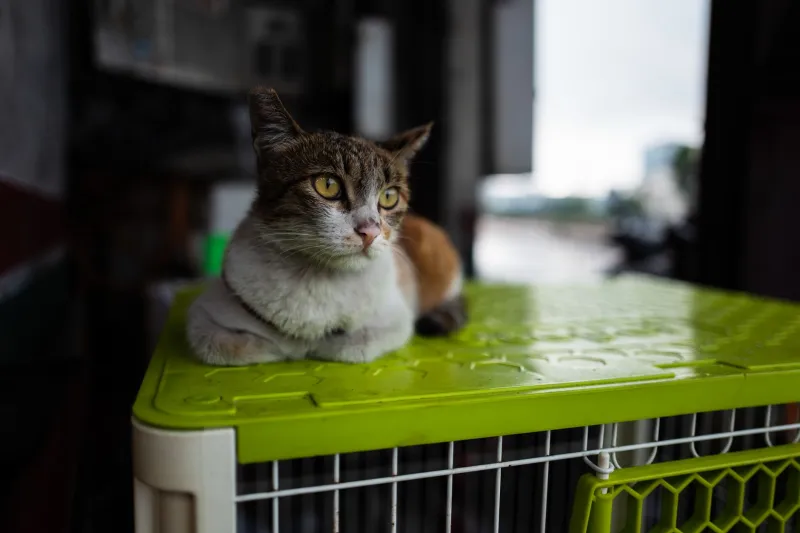
Shelter layout matters more than most people realize. Research out of the University of California system has looked at how physical placement within a shelter affects adoption rates, and the findings are striking. Cats housed in higher-visibility areas — near the entrance, at eye level, in well-lit sections — get adopted faster regardless of their behavioral traits. Cats tucked in corners, placed in lower rows, or housed in quieter wings of a facility can sit for weeks even when they're phenomenal candidates.
Some California shelters have started rotating cat placement deliberately, cycling animals through high-traffic zones to give everyone a fair shot at being seen. The San Francisco SPCA and several LA-area rescues have experimented with what they call "spotlight housing" — rotating featured cats into a dedicated meet-and-greet space near the front of the facility each week. Early data suggests it meaningfully reduces the length of stay for cats who would otherwise get lost in the shuffle.
What Adopters Say They Want vs. What Actually Works
Ask a first-time cat adopter what they're looking for and you'll hear a pretty consistent list: playful, affectionate, good with kids, easy to handle. What they're often picturing — consciously or not — is a kitten or a very young, high-energy cat. What many of them actually thrive with, especially in busy households or apartments, is something quite different.
Adult cats with calm, observant temperaments tend to adapt well to working-from-home schedules, smaller living spaces, and households where people come and go unpredictably. They're often already past the destructive chewing phase, the 3 AM wall-running phase, and the "I will knock everything off every surface just to watch it fall" phase. They know how to be a cat in a house. They just need someone to give them a chance to prove it.
Shelter counselors at organizations like the Peninsula Humane Society in San Mateo have started shifting how they frame these conversations. Rather than asking adopters what kind of cat they want, staff now ask about lifestyle — sleep schedules, work hours, whether there are children or other pets, how much time the person realistically has for active play. Then they match based on compatibility rather than appearance or first impressions. The results, anecdotally, have been encouraging: return rates drop when the match is built on behavior rather than vibes.
The Marketing Gap Nobody Talks About
Kittens are easy to photograph. They're perpetually in motion, perpetually cute, and their shelter photos tend to rack up shares on Instagram without much effort. Adult cats — especially the quiet, dignified ones who don't perform for the camera — are harder to capture in a way that translates to social media engagement.
This is a real problem, and California shelters are increasingly aware of it. Some are investing in what's become known informally as "behavioral marketing" — instead of posting a photo of a cat sitting in a cage, they're creating short videos that show the animal in a home-like environment, interacting naturally with a volunteer or foster. A cat who looks blank in a kennel photo can look completely transformed when you see them slow-blinking at someone they trust, or kneading a blanket, or chirping at a bird outside a window.
Foster-to-adopt programs have also become a powerful tool. When a cat spends even a week or two in a real home environment before being formally adopted, their personality has a chance to emerge — and the photos and videos that come out of that experience tell a completely different story than anything captured under shelter conditions.
What You Can Do Right Now
If you're thinking about adopting, here's a genuinely useful reframe: go in looking for the cat who notices you before you notice them. The one watching from the back of the kennel, tracking your movements with calm, intelligent eyes. Ask to spend time with the cats who've been there the longest. Bring a list of questions about behavior and temperament rather than going in with a visual checklist.
And if you're already a cat advocate — volunteer, donor, or just someone who shares rescue content online — consider making a point to spotlight the overlooked ones. The brown tabbies. The quiet middle-aged cats. The ones whose shelter photos don't do them justice. Sometimes the only thing standing between a great cat and a great home is a single person willing to say, "hey, look at this one."
California's shelters are working hard to close the gap between adoptability and visibility. But until the system catches up, individual choices matter — and the cat most ready for your home might be the one nobody else stopped to look at.