All the Right Resources, All the Wrong Outcomes: Why California Cats Are Still Dying From Diseases We Know How to Fix
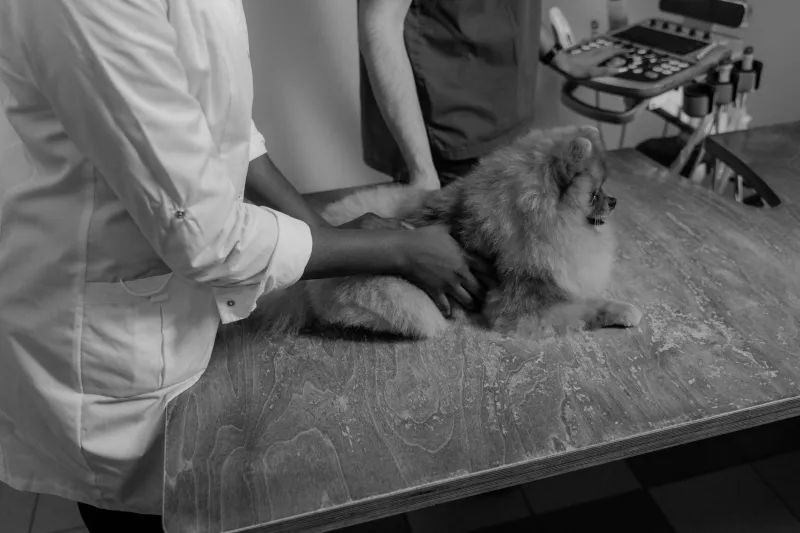
California has some of the best veterinary schools in the world. UC Davis alone has shaped feline medicine for decades. The state has progressive animal welfare laws, a booming pet industry, and more cat-focused rescue organizations per capita than almost anywhere else in the country. And yet — cats here are dying from conditions that a routine checkup could have caught.
This is the California paradox. And it's more complicated than it looks.
The Gap Between Knowledge and Action
Veterinarians across the state will tell you the same thing if you ask them about their biggest frustration: it's not that cat owners don't care. Most of them care deeply. The problem is that caring and actually scheduling the appointment are two very different things — and the space between them is where a lot of cats quietly get sicker.
"We see it constantly," says one feline-focused vet practicing in the Bay Area. "Someone brings in a cat with late-stage hyperthyroidism or renal disease that's been progressing for two years. They're devastated. They had no idea. But when you ask about the last wellness visit, it was four or five years ago."
Chronic kidney disease is the leading cause of death in older cats. It's largely manageable — not curable, but manageable — when caught early. Dental disease affects the majority of cats over three years old and contributes to heart and kidney problems when left untreated. Diabetes, hyperthyroidism, hypertension: all conditions that respond dramatically better to treatment when they're not caught in crisis mode.
California vets aren't seeing a shortage of knowledge about these conditions. They're seeing a shortage of follow-through.
Why Cat Owners Procrastinate (And It's Not Just About Money)
The instinct is to blame cost. And yes, veterinary care is expensive, and California's cost of living doesn't make that easier. But researchers who study pet owner behavior have found that financial barriers, while real, aren't the whole story — and sometimes aren't even the main story.
Cats are uniquely positioned to be neglected in a well-meaning way. Unlike dogs, they don't need licenses in most California counties. They don't require walks that put you in regular contact with a vet's office. They're stoic by nature — hardwired to mask pain and illness because in the wild, showing vulnerability is dangerous. A sick cat often just looks like a slightly quieter, slightly less playful version of a healthy cat. Owners miss it. Sometimes for years.
There's also what behavioral scientists call "optimism bias" — the deeply human tendency to assume that the bad thing probably isn't happening to you. Your cat seems fine. They're eating. They're doing the thing where they knock your water glass off the counter at 6 AM. Surely that means everything's okay.
Spoiler: it doesn't always mean everything's okay.
The Stress Factor Nobody Talks About
Here's something that makes the whole situation messier: cats hate going to the vet. Not in a mild, grumpy way — in a full-on physiological stress response way. The carrier, the car, the strange smells, the handling by strangers. For many cats, a vet visit triggers a fear response that owners find genuinely distressing to witness.
And so owners delay. Not because they don't love their cat, but because they do. It feels cruel to put their animal through that stress for what might be "nothing."
Vets across California have been working hard to address this — fear-free certification programs, low-stress handling techniques, cat-only waiting areas, and even house call services have expanded significantly in recent years. But awareness of these options still lags. Many cat owners don't know that the white-knuckle carrier experience isn't the only option anymore.
"We've made a lot of progress on the clinical side," says a veterinary behaviorist based in Los Angeles. "The harder problem is reaching people before they've already decided the vet is a traumatic place their cat never needs to go."
Education Isn't Enough — So What Is?
Here's where it gets interesting from a behavioral science perspective. Study after study on preventive health behavior — in humans and in pet owners — shows that information alone rarely changes what people do. You can tell someone their cat needs annual bloodwork. You can explain exactly why kidney disease is a silent killer. And they'll nod, feel concerned, and then not make the appointment.
What actually moves people? Friction reduction. Making the default option the healthy one. Reminder systems that don't require the person to remember. Social norms — knowing that other cat owners in your community are doing annual wellness visits makes you more likely to do it too.
Some California veterinary practices have started experimenting with proactive outreach: automated reminders, wellness plan subscriptions that bundle preventive care into a monthly fee, and partnerships with rescue organizations to establish care habits from the moment someone adopts. The rescue-to-vet pipeline, when it works, is one of the most promising interventions out there. Cats adopted through organizations that require an initial vet visit tend to have better long-term care outcomes — because the habit gets established early.
What California Could Do Differently
This state has the infrastructure to lead on this. UC Davis veterinary researchers are already studying feline disease progression in ways that could reshape how we think about preventive screening. California shelters are increasingly partnering with low-cost clinic networks to extend care into communities where traditional vet visits are genuinely out of reach financially.
But the conversation needs to shift. Right now, a lot of feline health messaging focuses on what owners should do. Less attention goes to why they don't do it — and how to design systems that work with human psychology instead of against it.
Cat owners in this state aren't failing their pets because they're uninformed or uncaring. They're navigating busy lives, a stoic animal that hides illness brilliantly, a vet experience that can feel stressful for everyone involved, and a brain that's very good at telling them everything is probably fine.
The paradox isn't really about California being progressive or advanced. It's about the gap that exists everywhere between knowing better and doing better — and how much work it takes to close it.
Your cat can't make the appointment. That part is still on us.