Stray, Stay, or Snip? How TNR Became California's Most Controversial — and Most Effective — Feral Cat Strategy

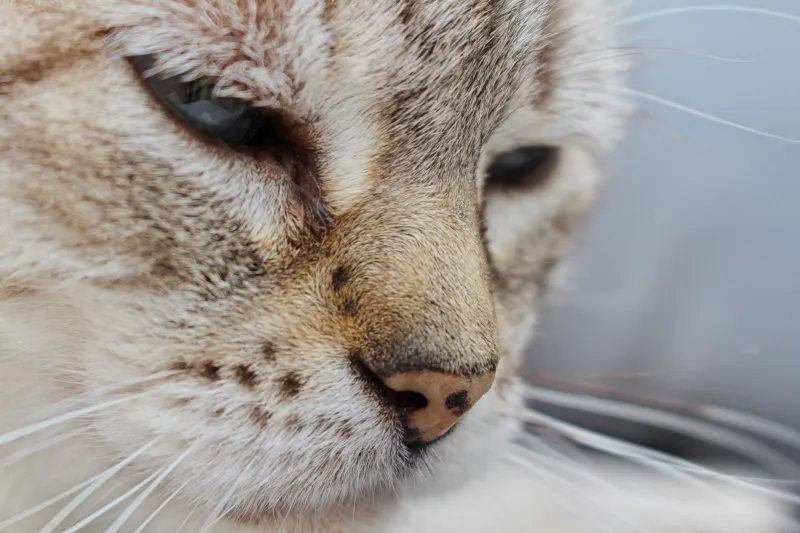
Photo by Photo by Alex S. on Unsplash on Unsplash
Walk through almost any California neighborhood — from the beach communities of San Diego to the alleys of Oakland to the agricultural edges of the Central Valley — and you'll likely spot them. A flash of tabby disappearing under a dumpster. A pair of amber eyes catching the light near a restaurant back door. A loose colony of cats gathered around a cluster of food bowls left by a dedicated community caretaker.
Feral and community cats are woven into the fabric of California life. Estimates suggest the state is home to somewhere between 6 and 10 million unowned cats — numbers that are, by their nature, hard to pin down precisely. What isn't hard to pin down is the controversy surrounding what to do about them. That debate has been running for decades, and it shows no signs of quieting down.
But here's what the science says: Trap-Neuter-Return — commonly called TNR — is the most effective, humane, and sustainable method for managing feral cat populations that we currently have. The resistance to it, while understandable in some corners, often stems from misconceptions that the data has largely addressed.
Let's get into it.
What TNR Actually Is (and Isn't)
TNR is exactly what it sounds like. Community cats are humanely trapped, transported to a veterinary clinic or spay/neuter facility, surgically sterilized, vaccinated (typically for rabies and distemper), and then returned to their original territory. The cats are ear-tipped — a small notch removed from the tip of one ear under anesthesia — so they can be identified as altered from a distance.
After return, managed colonies are typically maintained by volunteer caretakers who provide food, water, and monitoring. Kittens young enough to be socialized are pulled from colonies for foster care and eventual adoption. Cats that are injured or ill are treated.
What TNR is not is a catch-and-kill program. And that distinction is at the heart of much of the debate.
The Case For: What the Research Shows
The scientific literature on TNR has grown substantially over the past two decades, and the findings are fairly consistent: TNR reduces colony sizes over time more effectively than removal-based approaches.
Why? Because of what researchers call the "vacuum effect." When cats are removed from a territory — whether through lethal control or relocation — other unsterilized cats move in to fill the ecological niche. Food sources remain, shelter remains, and the population rebounds, often quickly. Removal without addressing the reproductive cycle is, essentially, a treadmill.
TNR short-circuits this cycle. Sterilized cats hold their territory, which prevents new unsterilized cats from establishing themselves. Over time, as the existing population ages out, colony numbers decline. Studies from urban areas including San Jose and Los Angeles have documented measurable population reductions in managed TNR colonies over periods of five to ten years.
A widely cited study from the Journal of the American Veterinary Medical Association found that well-managed TNR colonies showed population declines of 16–32% annually in some tracked sites. That's not an overnight fix, but it's a real, documented trend.
California's On-the-Ground Reality
Organizations across the state have been doing this work for years, often with limited funding and enormous volunteer power. Groups like the East Bay SPCA, San Diego Humane Society, and dozens of smaller grassroots rescue networks operate TNR programs that collectively sterilize tens of thousands of cats annually in California.
The challenges are significant. Funding is inconsistent. Veterinary capacity for high-volume spay/neuter is strained, particularly in rural and lower-income communities. And caretakers — often retired folks, apartment residents, or restaurant workers who've taken it upon themselves to manage a local colony — frequently do this work invisibly, without formal support.
"The people doing TNR on the ground are some of the most committed animal welfare advocates you'll ever meet," says one Central Valley rescue coordinator who asked not to be named. "They're out there at 5 a.m. setting traps, driving cats to clinics, feeding colonies every single day. The infrastructure just hasn't caught up to the need."
Some California counties have made significant strides. Santa Clara County's community cat program has been held up as a model for integrating TNR into municipal animal services. Other counties still default to shelter intake for feral cats — which, for truly feral animals that cannot be socialized, typically ends in euthanasia.
The Resistance: Where It Comes From
Opposition to TNR comes from a few distinct directions, and it's worth taking each seriously rather than dismissing them.
Wildlife advocates raise legitimate concerns about the impact of outdoor cats on bird and small mammal populations. California is a biodiversity hotspot, and predation by free-roaming cats is a real ecological issue — one we've covered in depth here at CalCat. This concern is valid. But the question isn't whether cats impact wildlife; it's whether removing cats from the equation through lethal control actually solves the problem better than TNR. The evidence suggests it doesn't, because of the vacuum effect. A managed, stable, sterilized colony is a better ecological outcome than a revolving door of unsterilized cats.
Public health officials sometimes raise concerns about disease transmission, particularly rabies. This is an area where TNR programs actually have an advantage: vaccinating cats during the TNR process creates a buffer of immunized animals in communities. The risk of rabies transmission from vaccinated, ear-tipped cats is extremely low.
Some shelter professionals worry that TNR legitimizes outdoor cat populations in ways that complicate adoption messaging or strain resources. This is a fair operational concern, though most modern animal welfare organizations have moved toward viewing TNR and adoption programming as complementary rather than competing strategies.
The Path Forward
California has the research, the volunteer networks, and frankly the cultural values to become a national leader in humane feral cat management. What it still lacks is consistent statewide policy, dedicated funding streams, and enough low-cost spay/neuter infrastructure to meet demand at scale.
Several California legislators have introduced bills in recent sessions aimed at expanding support for community cat programs, with mixed results. Animal welfare advocates continue to push for standardized TNR-friendly ordinances at the county level, which remains a patchwork situation across the state's 58 counties.
For everyday Californians, the most impactful thing you can do is support your local TNR organizations — whether that means volunteering, donating, or simply learning to recognize an ear-tipped cat and understanding what it means. It means someone already did the work. It means that cat is part of a managed system. And it means the science is, slowly but surely, winning the argument.
The cats aren't going anywhere. The question is whether we manage them wisely or keep spinning our wheels. California's track record on progressive animal welfare gives us reason to be optimistic — but the work is far from done.