Sip, Snuggle, Adopt: How California's Cat Cafés Are Changing the Way We Think About Rescue

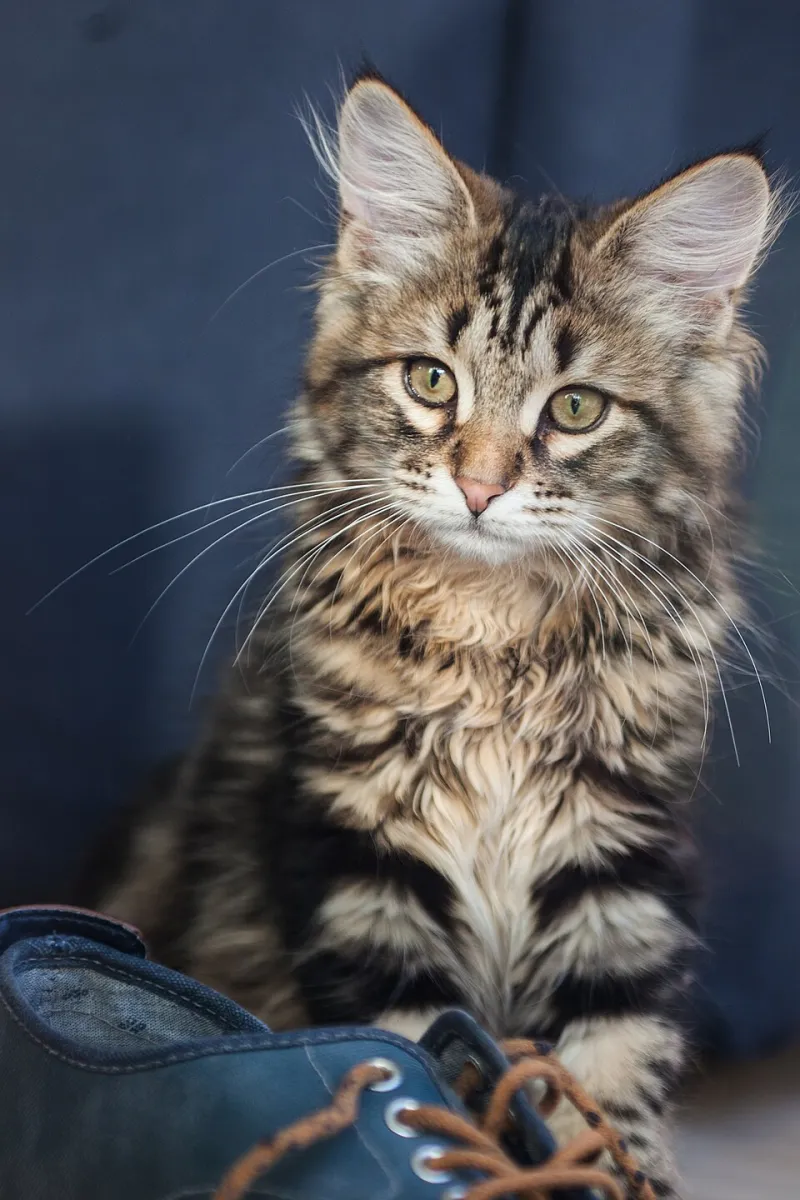
Photo by Photo by Raymond Yeung on Unsplash on Unsplash
The first time most people walk into a cat café, they're not entirely sure what they've gotten themselves into. There's a latte in hand, a waiver signed, and then — a door opens into a room full of cats going about their business with complete indifference to your presence. Someone is napping on a window shelf. Someone else is aggressively investigating a guest's tote bag. A tortoiseshell is doing something inexplicable in the corner.
Within about four minutes, most people are completely sold.
Cat cafés arrived in California roughly a decade ago, transplanted from their origins in Taiwan and Japan, and what started as a novelty has quietly evolved into something more substantive: a genuinely innovative model for feline rescue, community mental health, and the kind of human-animal connection that changes how people think about adoption.
More Than Cute: The Rescue Infrastructure Behind the Coffee
Here's what a lot of first-time visitors don't realize: the cats hanging out in that cozy room aren't permanent residents. They're adoptable animals, typically sourced directly from partner shelters or pulled from high-intake municipal facilities, living in the café environment while they wait for their forever homes.
This matters enormously. Traditional shelter environments, however well-run, are stressful for cats. The sounds, the smells, the confinement — all of it can cause cats to display anxious or withdrawn behaviors that make them less appealing to potential adopters. A cat who looks shut down in a kennel might be a completely different animal in a living-room-style space with ambient noise, human foot traffic, and the opportunity to move around freely.
"We consistently see cats blossom within their first week here," says the operations manager at a Bay Area cat café that has facilitated more than 400 adoptions since opening. "Animals that were flagged as 'hard to place' at the shelter come in, decompress, and suddenly they're social butterflies. The environment does a lot of the work."
California's shelter system faces persistent capacity challenges. The state's combination of large urban populations, high housing instability (which drives pet surrenders), and significant feral cat populations means that shelter intake numbers remain stubbornly high in many counties. Cat cafés don't solve that problem on their own — but they carve out a meaningful niche in the adoption pipeline, moving cats who might otherwise languish in kennels into homes faster and with better placement outcomes.
The Science of the Snuggle
Let's talk about what's happening on the human side of that equation, because it's not just vibes.
Research on human-animal interaction has expanded significantly over the past two decades, and the findings are genuinely compelling. Studies published in journals including Anthrozoös and the International Journal of Environmental Research and Public Health have documented measurable reductions in cortisol (the primary stress hormone) following even brief interactions with cats. Petting a cat activates the parasympathetic nervous system — the "rest and digest" counterpart to fight-or-flight — and triggers the release of oxytocin, the same bonding neurochemical involved in human social connection.
For the roughly 20% of American adults who report experiencing anxiety on a regular basis, that's not a trivial effect. California, with its high cost of living, long commute times, and demanding work culture in major metros, has no shortage of chronically stressed residents who could use a low-barrier, affordable mental health reset.
Cat cafés offer something that's genuinely difficult to replicate: a socially sanctioned space to slow down, be present, and interact with another living creature without any particular agenda. You don't have to own a pet. You don't have to commit to anything. You just show up, drink your coffee, and let a cat decide whether or not it wants to sit on you.
"I started coming here during a really hard stretch at work," says one regular visitor at a Los Angeles cat café. "I wasn't in a place where I could adopt. But coming here once a week just... reset something. It sounds dramatic, but it genuinely helped."
The California Cat Café Landscape
The state now hosts a growing number of cat cafés, concentrated in major metros but expanding into mid-sized cities as the model proves itself financially viable. Los Angeles, San Francisco, San Diego, and Sacramento all have established venues, with several operating on hybrid models that blend coffee service with event programming, private bookings, and dedicated adoption hours.
Many California cat cafés have formalized partnerships with local rescue organizations and shelters, creating a structured pipeline for animal placement. Some operate as nonprofits themselves; others run as for-profit businesses with a rescue mission embedded in their operating model. Both approaches have worked, though operators are consistent about one thing: the café's ability to function as a rescue resource depends entirely on maintaining high standards of animal welfare within the space.
That means thoughtful design — enough vertical space, hiding spots, and separate zones that cats can opt out of human interaction when they want to. It means careful intake assessment to ensure cats are genuinely suited to a high-traffic social environment. And it means staff who are trained to read feline body language and intervene when a cat is showing stress signals, regardless of what a guest might prefer.
"The cats always come first," explains the founder of a San Diego cat café that partners with three local rescues. "If a cat is having an off day, we redirect guests. We're not a petting zoo — we're a home environment that guests are visiting. That distinction matters a lot."
How to Visit a California Cat Café (And Make the Most of It)
If you've never been, here's what to expect and how to have the best experience:
Book ahead. Most California cat cafés operate on a reservation system with timed entry slots to manage the number of people in the cat room at once. Walk-ins are sometimes available but not guaranteed.
Let the cats come to you. Resist the urge to approach or pick up cats who haven't expressed interest. The cats who want human interaction will find you. This isn't just etiquette — it's how you end up with a cat actually sitting on you, which is the whole point.
Ask about adoption. Even if you're not ready to adopt today, ask the staff about the cats' stories and the adoption process. Many people who visit with no intention of adopting find themselves filling out an application a few visits later.
Come back more than once. Cats have personalities that emerge over time and vary by day. The cat who ignored you last Tuesday might be your new best friend next Saturday.
A Model Worth Watching
Cat cafés aren't going to single-handedly solve California's animal welfare challenges. But as one piece of a larger ecosystem — alongside TNR programs, foster networks, legislative advocacy, and community education — they represent something genuinely exciting: a model that makes rescue accessible, enjoyable, and emotionally resonant for people who might never have set foot in a shelter.
That's not a small thing. Adoption starts with connection, and connection starts with showing up. Cat cafés give people a reason to show up — and then they let the cats do the rest.