Why Does My Cat Keep Trying to Escape? The Science Behind the Great Doorway Dash
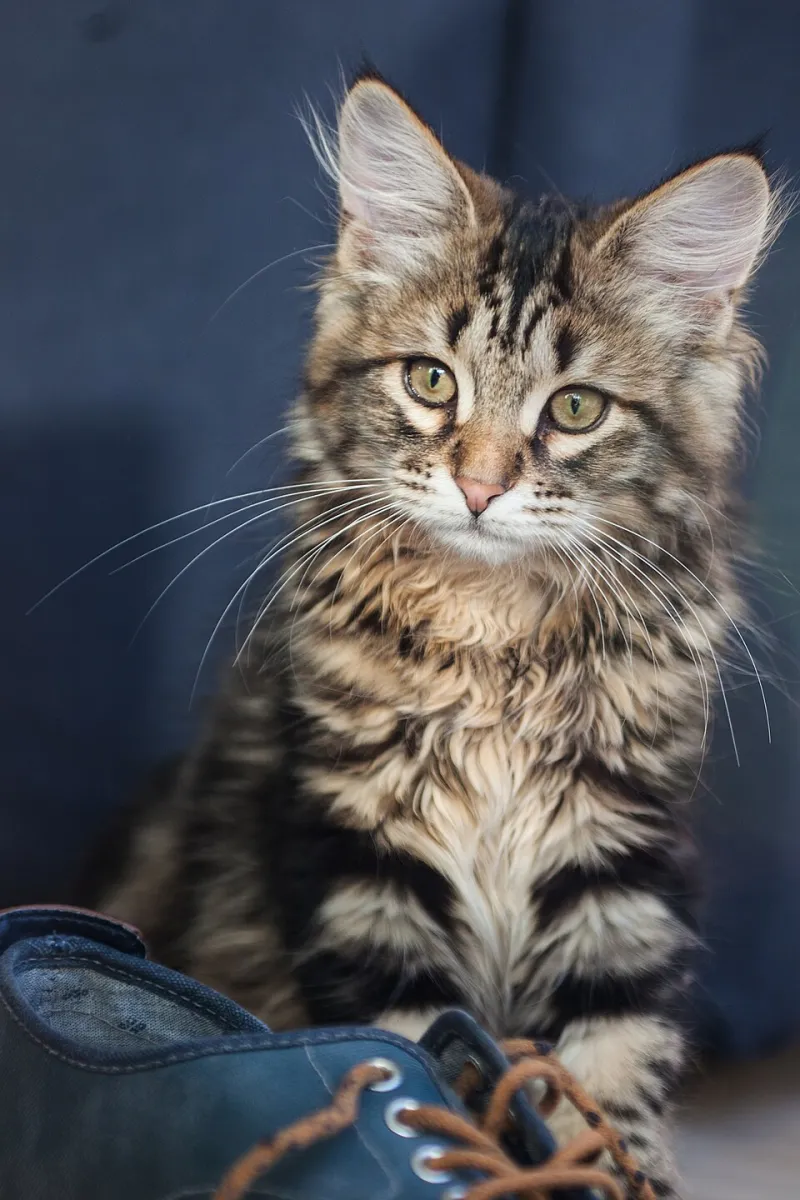
Photo: Tadeáš Bednarz, CC BY-SA 4.0, via Wikimedia Commons
You've done everything right. The cozy beds, the window perches, the elaborate feather wand collection. And yet, the second you crack the front door open to grab a package, your cat is gone — a blur of fur and determination rocketing past your ankles like she has somewhere incredibly important to be.
If you share your home with an indoor cat in California, this scenario is probably painfully familiar. And while it might feel like a personal betrayal, your cat isn't staging a protest against your decor choices. The drive to bolt is rooted in deep behavioral biology — and understanding it is the first step toward actually doing something about it.
It's Not Boredom. It's Something Older.
The instinct that sends your cat sprinting toward an open door isn't really about boredom, though that can be a contributing factor. It's about what feline behaviorists call exploratory motivation — a hardwired drive to patrol, investigate, and map territory that evolved long before cats ever curled up on human couches.
Domestic cats retain the neurological architecture of their wild ancestors. In the wild, a cat that didn't regularly explore its territory was a cat that missed prey opportunities, missed threats, and ultimately didn't survive. That restlessness didn't disappear when cats moved indoors. It just... has nowhere to go.
Dr. Karen Overall, a veterinary behaviorist whose work is widely cited in companion animal research, has described cats as "obligate explorers" — animals whose stress hormones can actually spike when they're denied the opportunity to investigate new stimuli. In other words, the urge to dash isn't a behavior problem. It's a physiological need that isn't being fully met.
For California cats specifically, that pull toward the outside world can feel especially intense. Our state's mild climate means outdoor scents — eucalyptus, coastal sage, jasmine, the neighbor's dog — drift through windows almost year-round. Every open door is basically a sensory explosion.
The Threshold Effect: Why Doors Are Magnetic
There's another layer here that's worth understanding: what animal behaviorists call threshold anxiety or, more specifically, its flip side — threshold excitement.
For many indoor cats, doorways and windows represent the boundary between the known world and an infinitely interesting unknown. When that boundary suddenly opens, even briefly, it triggers a kind of neurological urgency. The window is open right now. The door is ajar right now. The opportunity is immediate and temporary, and your cat's nervous system knows it.
This is compounded by something called intermittent reinforcement — one of the most powerful behavioral forces in both humans and animals. Your cat doesn't get to escape every time she tries. But sometimes she does, or at least she gets a few thrilling seconds on the porch. That unpredictability makes the behavior incredibly persistent. It's the same reason slot machines are so compelling. The occasional reward supercharges the drive.
California's Outdoor Reality Check
Here's where we have to be honest with ourselves as cat owners in this state. The pull toward outside is real and valid — and so are the risks.
California's diverse landscapes mean outdoor hazards vary wildly depending on where you live. In the Bay Area, coyote encounters are a genuine and documented threat to small pets. In Southern California, the combination of urban density and wildfire smoke creates both traffic risks and air quality hazards that are genuinely dangerous for cats. In the Central Valley, extreme summer heat can be life-threatening for an animal that's spent its life in air conditioning. And across the state, unvaccinated outdoor cats face exposure to feline leukemia, FIV, and upper respiratory infections at dramatically higher rates than their indoor counterparts.
None of this means we should dismiss what our cats are telling us when they sprint for the door. It means we need to find smarter ways to respond to that need.
What Actually Works: Evidence-Based Strategies
Environmental Enrichment That Takes the Drive Seriously
The most effective long-term solution isn't about blocking escape attempts — it's about reducing the intensity of the urge in the first place. And that means taking your cat's exploratory needs seriously.
Vertical space is non-negotiable. Cats are three-dimensional thinkers. A home with floor-level furniture only is neurologically impoverished for a cat. Tall cat trees, wall-mounted shelves, and window perches that allow safe observation of the outdoors give your cat territory to patrol inside the home.
Rotate novelty. You don't need to buy new toys every week. Hiding toys and reintroducing them creates the experience of "finding" something new. Rotating which rooms your cat has access to, introducing cardboard boxes, or even occasionally rearranging furniture gives your cat's exploratory drive something real to work with.
Window enrichment is underrated. A bird feeder or squirrel-friendly garden feature positioned outside a window your cat can safely observe is genuinely stimulating. In California, native plants like California fuchsia or salvia can attract hummingbirds that will keep a cat riveted for hours.
Controlled Outdoor Access
For cats with high escape motivation, a middle path often works better than a hard indoor-only rule. Catios — enclosed outdoor structures that attach to windows or doors — have exploded in popularity across California, and for good reason. They give cats real outdoor sensory experience (wind, scents, sounds, sun) without the associated risks.
Leash training is another genuinely viable option, though it requires patience and ideally starts when cats are young. The key is using a properly fitted harness (never a collar for leash walking) and letting the cat set the pace. You're not walking the cat — you're accompanying the cat on an exploration.
Training the Door Response
You can actually train cats to not rush doors, and it's more straightforward than most people expect. The foundation is teaching a "sit and wait" behavior using positive reinforcement — small, high-value treats (freeze-dried chicken works well) delivered for calm behavior near the door. With consistent practice, many cats learn that the door opening is a cue to sit and look at you rather than to bolt.
Airlock entry systems — basically, creating a small enclosed vestibule or using a baby gate as a first barrier before the exterior door — are a practical structural solution that buys you time and removes the all-or-nothing nature of door management.
The Bottom Line
Your cat isn't trying to escape from you. She's trying to move toward something her biology is telling her she needs. The more honestly we engage with that reality — rather than just trying to block or suppress it — the better outcomes we get for everyone involved.
California's cat owners are lucky to have access to a growing community of feline behaviorists, catio builders, and rescue organizations who can help tailor solutions to individual cats and households. The great doorway dash doesn't have to be a permanent feature of your life. But solving it starts with understanding what's actually driving it.


